

Books we love
the books that shape our work
These are the books that meaningfully inform the work of the Solidago Institute. These texts influence our approach to leadership development, well-being, and inclusion, and many of their ideas are woven into our programs and gatherings. We share them as an open resource for those who want to explore the thinking behind our work and continue their own learning. Consider this a growing “works cited” list for the values and practices we hold.
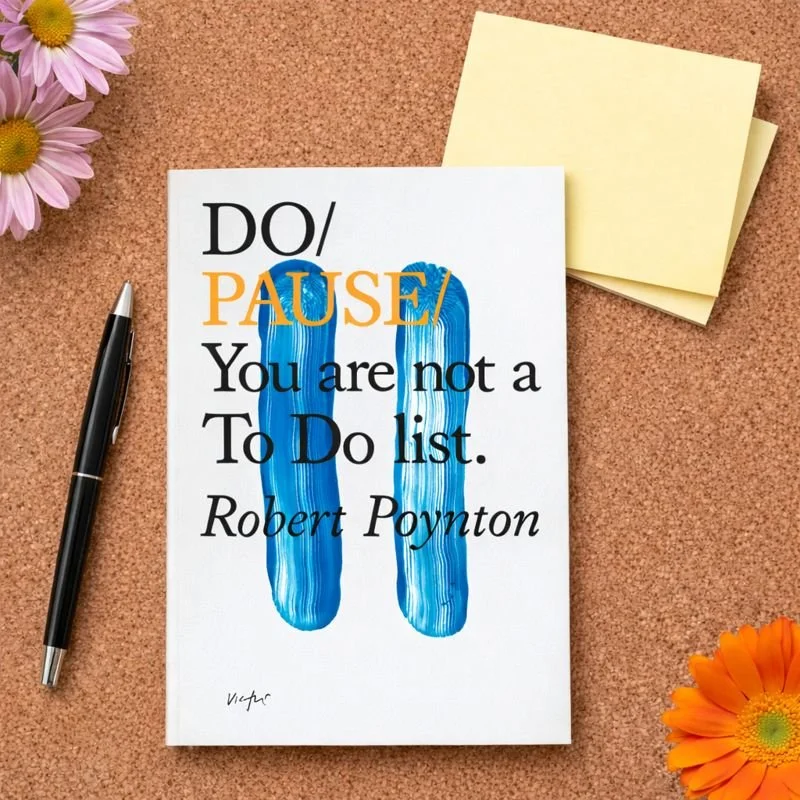
Do Pause: You Are Not a To-Do List | Robert Poynton
Do Pause: You Are Not a To-Do List by Robert Poynton helps us rethink how we approach work and leadership by showing that effectiveness begins with awareness, not speed. We love this book because it offers simple, practical ways to step out of constant reaction mode and into more intentional action. Poynton encourages readers to notice what is actually happening before jumping to solutions, which leads to clearer priorities and better decisions. This book shapes how we think about well-being at Solidago because it links reflection to real-world impact. Pausing is not about disengaging. It is about creating space to choose how we respond, question habits that no longer serve us, and act with greater purpose and care.
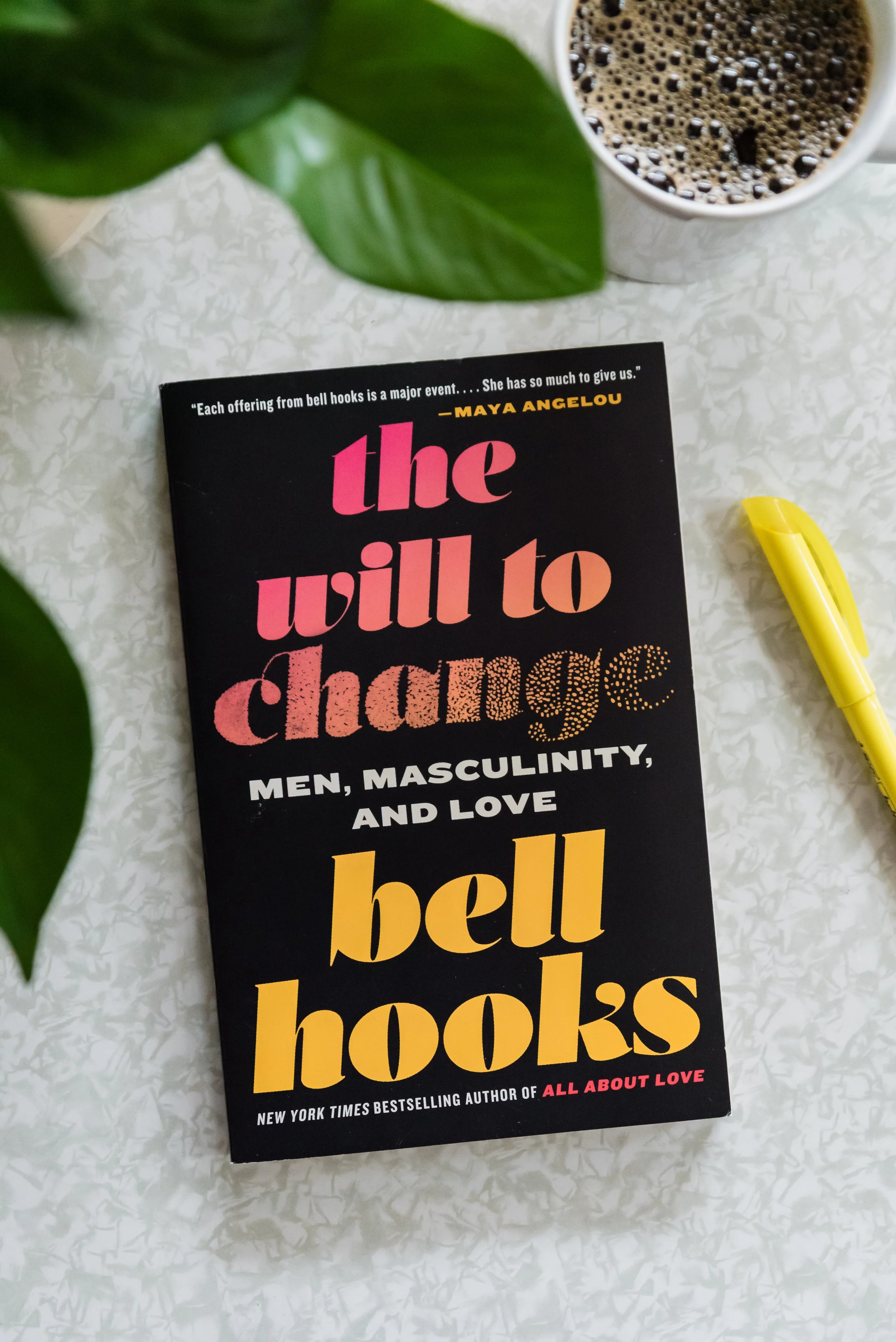
The Will to Change: Men, Masculinity & Love | bell hooks
The Will to Change is a deeply important work that addresses some of the most urgent questions facing men and masculinity today with both honesty and compassion. bell hooks examines the cultural narratives that shape how men learn to feel, relate, and define strength, inviting readers into reflection rather than defensiveness. The book challenges dominant ideas of power and success by showing how many of the “rules” of masculinity leave men disconnected, emotionally constrained, and unfulfilled, even when they appear to be thriving. hooks names these traps clearly and with care, grounding her critique in a belief that love is not a weakness but a vital practice for personal and cultural transformation. In doing so, this work offers insight into the roots of division around identity and inclusion by tracing them back to unexamined expectations about manhood. The Will to Change ultimately presents a vision of masculinity shaped not by fear or control, but by emotional honesty, connection, and the possibility of healing.
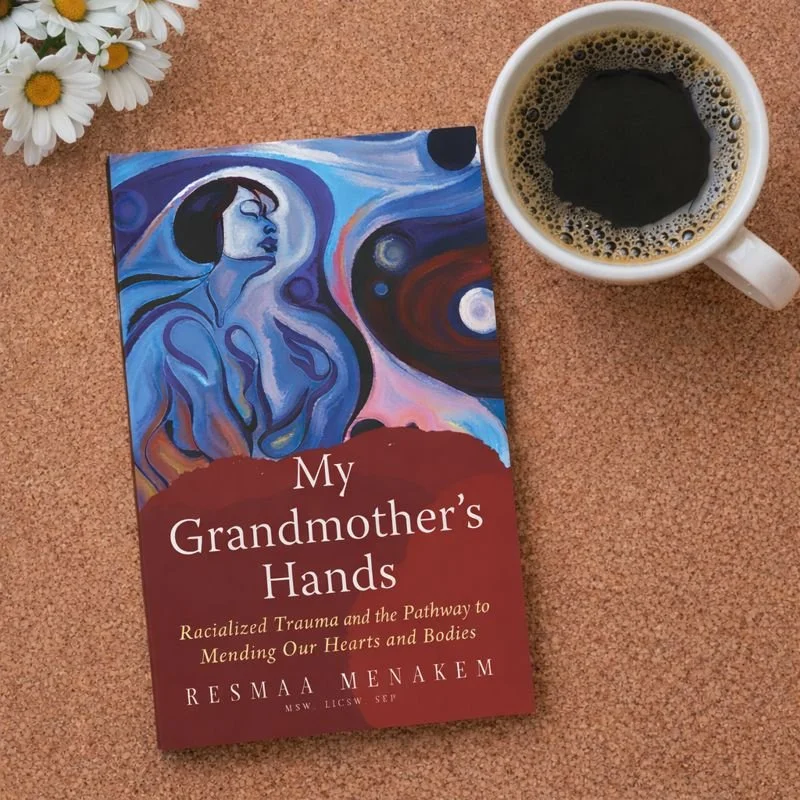
My Grandmother’s Hands | Resma Menakem
My Grandmother’s Hands is a powerful exploration of how trauma related to race lives not only in stories and systems, but in the human body itself. Resmaa Menakem reframes conversations about racism by moving beyond ideas alone and toward the ways fear, pain, and survival responses are carried in muscles, breath, and nervous systems across generations. The book challenges readers to understand racialized trauma as something that must be met with practices of regulation, awareness, and care rather than only debate or policy. Menakem traces how historical violence has shaped bodily responses in Black bodies, white bodies, and police bodies, offering language for patterns that often remain unnamed but deeply felt. What makes this work especially impactful is its insistence that healing is possible through learning to settle the body, build resilience, and stay present in difficult moments. My Grandmother’s Hands reshapes how justice and inclusion are understood by showing that meaningful change requires not only new ideas, but new ways of inhabiting our bodies and relating to one another.
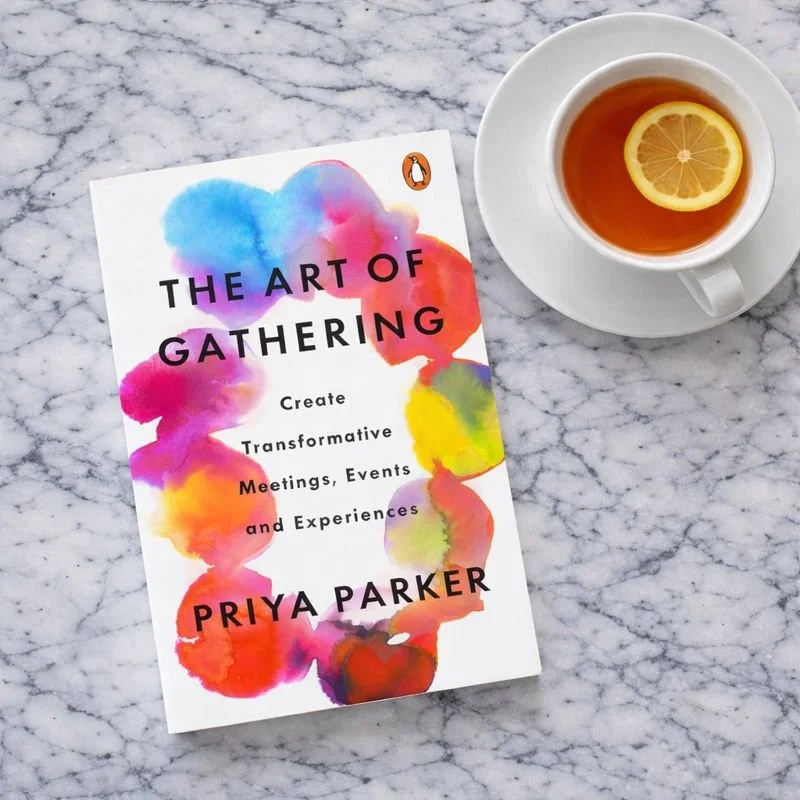
The Art of Gathering | Priya Parker
The Art of Gathering is a thoughtful examination of why the way people come together matters as much as the reason they come together. Priya Parker challenges the assumption that meetings, events, and shared moments are neutral containers, showing instead that every gathering teaches participants something about belonging, power, and purpose. The book argues that drifting from one poorly designed meeting to the next drains energy and meaning from both work and life, and that intention is what transforms time together into something memorable and worthwhile. Parker offers practical insight into how clarity of purpose, thoughtful structure, and courageous choices shape the quality of connection and conversation. By focusing on how gatherings can foster presence rather than obligation, the book reframes meeting not as a necessary burden but as an opportunity to create spaces where people feel seen and engaged. The Art of Gatheringultimately invites readers to take responsibility for how they bring people together and to treat shared time as something worthy of care.
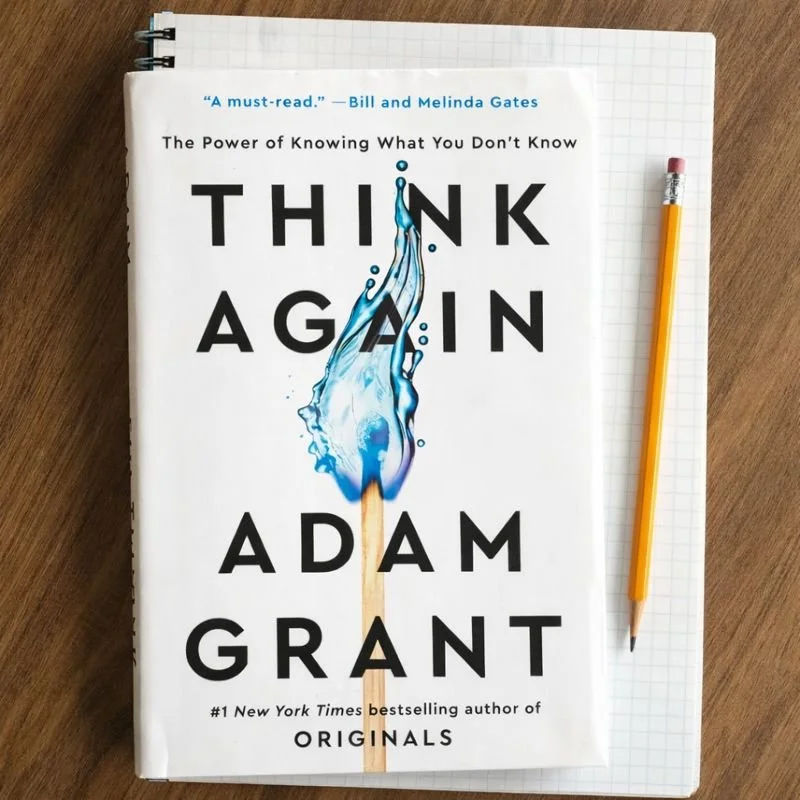
Think Again | Adam Grant
Think Again is a compelling invitation to reconsider how firmly held beliefs shape behavior, relationships, and leadership. Adam Grant explores the value of intellectual humility and the courage it takes to revise one’s thinking in a world that often rewards certainty and speed over reflection. Rather than framing change as something imposed from the outside, the book emphasizes the power of introspection and the practice of looking honestly at one’s own assumptions before attempting to influence others. Grant shows how modeling curiosity and openness creates the conditions for real learning and connection, making it more likely that people can move beyond defensiveness and toward growth. Throughout the book, dialogue is elevated over debate, with an emphasis on listening, asking better questions, and staying open to complexity. Think Again ultimately reframes changing one’s mind not as weakness, but as a meaningful act of leadership and a necessary step toward healthier culture and collaboration.
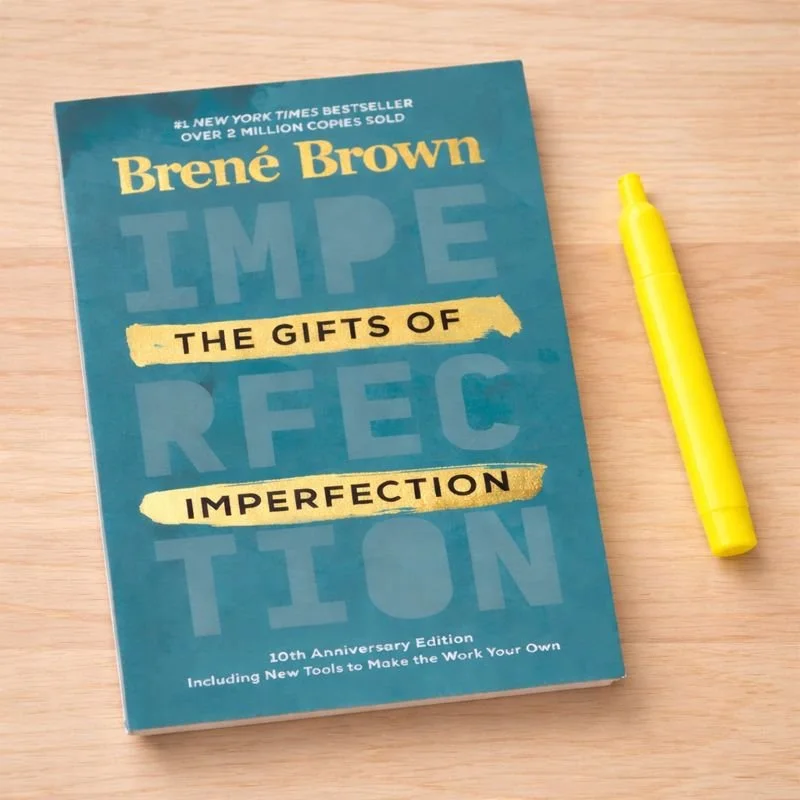
The Gifts of Imperfection | Brené Brown
The Gifts of Imperfection is a grounding exploration of what it means to live with courage, compassion, and connection in a culture that often equates worth with achievement and approval. Brené Brown invites readers to examine the stories they tell themselves about success, failure, and belonging, and to notice how perfectionism and comparison limit authenticity and joy. The book reframes vulnerability not as weakness but as a necessary condition for meaningful relationships and honest leadership. Through research and reflection, Brown shows how practices like self-compassion, gratitude, and setting boundaries create space for people to show up more fully as they are rather than who they think they should be. What makes this work enduring is its insistence that wholeness is not found in getting everything right, but in embracing the messy, unfinished nature of being human. The Gifts of Imperfection offers a clear and compassionate path toward a more honest and resilient way of living and working.
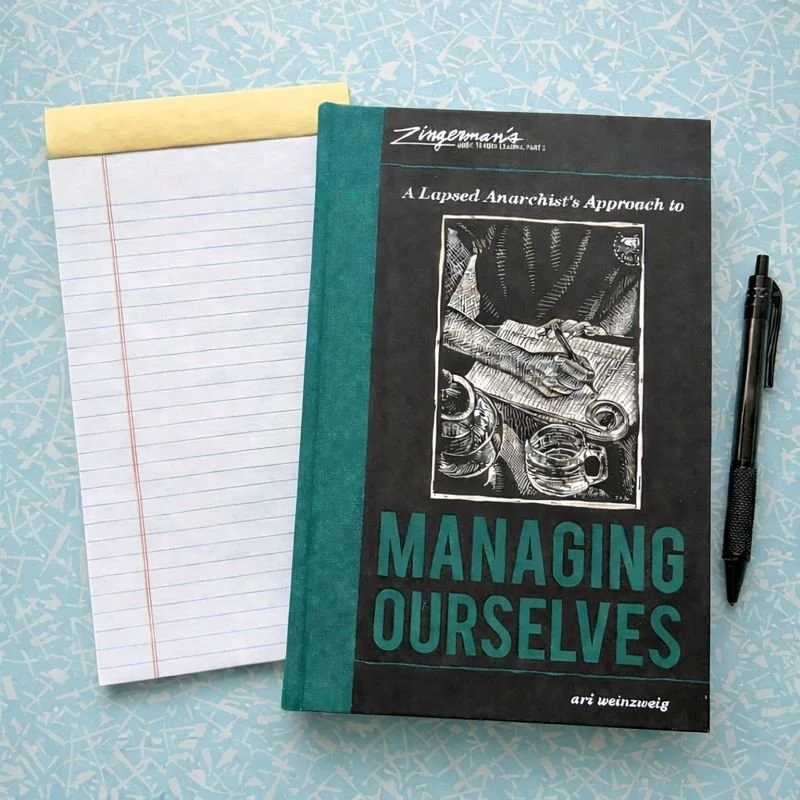
Managing Ourselves | Ari Weinzweig
A Lapsed Anarchist’s Approach to Managing Ourselves is a practical and values-driven exploration of what it means to lead with purpose rather than control. Ari Weinzweig challenges conventional management thinking by centering clarity, vision, and shared responsibility instead of hierarchy and fear. The book argues that healthy organizations grow from strong beliefs about how people should be treated and what kind of culture is worth building, not just from strategies and metrics. Weinzweig shows how tools like visioning, open communication, and thoughtful systems can create workplaces where people are trusted to think, contribute, and care about the whole. Rather than offering rigid formulas, the book invites readers to see management as an ongoing practice of learning and alignment. A Lapsed Anarchist’s Approach to Managing Ourselves ultimately reframes leadership as an act of stewardship, grounded in transparency, dignity, and the long work of building something that lasts.